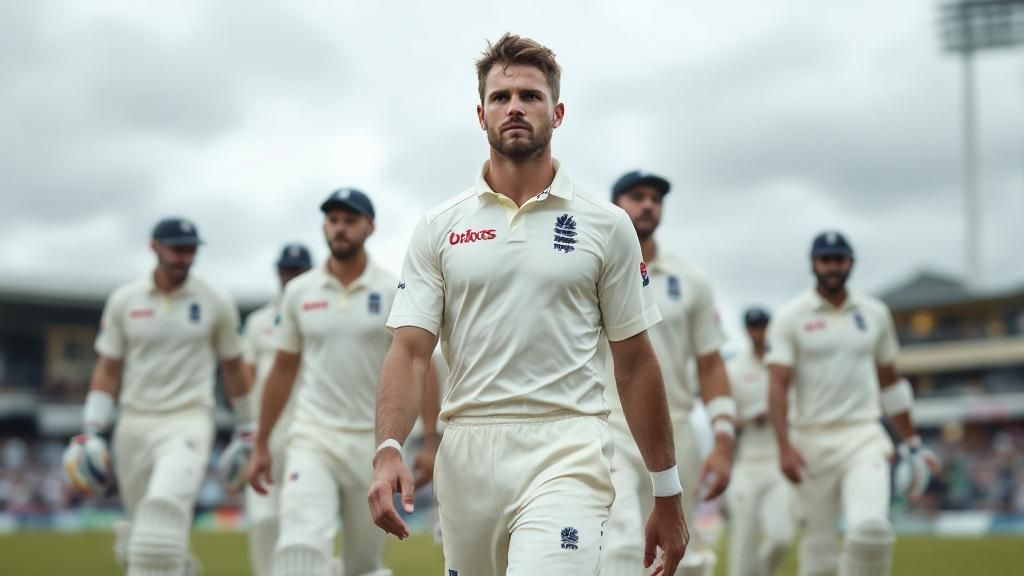
England and Wales Cricket Board chief executive Gould has reiterated his support for managing director Rob Key, lead coach Brendon McCullum and captain Ben Stokes, despite mounting criticism from recently departed players. The show of support comes in the wake of England’s 4-1 Ashes defeat in Australia this winter and a wave of complaints from ex-players including Jonny Bairstow, Reece Topley, Ben Foakes and David Willey, who have joined Liam Livingstone in raising questions about the current regime. Gould justified the decision to retain the leadership trio, contending that the ECB must focus resources on players within the system rather than those who have departed the organisation.
Gould’s Steadfast Defense of Management Structure
Gould rejected claims that the players’ complaints represents a crisis damaging the start of the national competition, which commences on Friday. He stressed the ECB continues to be prioritising a positive trajectory, drawing attention to encouraging indicators across community cricket involvement and crowd numbers. “I strongly disagree with that,” Gould stated when pressed on whether pessimism was dominating the new campaign. He described the Ashes reversal as a short-term disappointment rather than indication of deep-rooted issues necessitating comprehensive restructuring to the leadership structure.
The ECB head official recognised the challenges players encounter when departing the England system, but contended this was an unavoidable result of elite sport selection. With around 300 players aspiring to represent England in all formats, Gould contended the organisation must focus its efforts carefully on those currently in the teams. He acknowledged that dropped players would naturally disagree with decisions impacting their careers, but stressed the ECB’s approach emphasises long-term squad development over managing the grievances of those beyond the core group.
- Gould challenges notion of emergency dominating start of the county season
- Grassroots cricket data and crowd numbers stay strong
- Ashes loss portrayed as short-term setback, not systemic failure
- ECB should focus resources on players within current teams
Increasing Chorus of Scrutiny from Former Players
Bairstow and Livingstone Lead Grievances
Jonny Bairstow, not involved with England cricket since 2024, has become one of the most vocal critics of the existing setup, contending that those leading the way must bring back “the care back in the game”. His intervention proved especially significant given his status as a former senior player, adding credibility to growing concerns about athlete wellbeing within the system. Bairstow’s central complaint focuses on what he perceives as a two-way method to selection, whereby outgoing players find themselves immediately cast adrift with scant support or dialogue from the ECB hierarchy.
Liam Livingstone, who last played for England during the Champions Trophy last March, has expressed similarly damning evaluations of the management structure. Speaking to Cricinfo recently, Livingstone stated that “no-one cares” about players outside the core group, whilst describing how he was told he “cares too much” when seeking assistance during his time away from the squad. His comments suggest a disconnect between athlete expectations regarding pastoral care and the ECB’s approach to operations, raising questions about responsibility towards athletes transitioning out of international competition.
Further Issues from Latest Departures
Reece Topley has characterised Livingstone’s objections as notably controlled, suggesting the issues run significantly further than expressed in public. This assessment from a fellow formerly-active cricketer underscores the scale of frustration brewing within the ex-England group. Topley’s openness to endorse Livingstone’s complaints indicates a shared frustration rather than individual complaints, possibly indicating systematic issues within the ECB’s oversight of player changes and continued assistance programmes for those no longer in contention.
Ben Foakes has drawn attention to functional gaps in England’s operational infrastructure, disclosing that reserve batter Keaton Jennings functioned as keeper coach during one tour despite no permanent specialist being assigned to the role. This finding demonstrates potential resource allocation issues within the ECB’s coaching operations, pointing to budget constraints that may compromise squad development and wellbeing. Foakes’s concrete case supplies tangible proof reinforcing broader complaints about the regime’s efficiency and dedication to backing players adequately.
- Bairstow insists on improved care standards across the England cricket programme
- Livingstone claims leadership overlooks feedback from exiting players
- Topley validates concerns, indicating broad-based systemic discontent
- Foakes reveals insufficient coaching resources and resource allocation
The Larger Context of England’s Winter Struggles
England’s underwhelming 4-1 Ashes loss in Australia this season has prompted intensified scrutiny of the ECB’s organisational framework and strategic choices. The comprehensive nature of the series loss has reinforced ex-players’ grievances, with the on-field results seemingly substantiating worries about the regime’s effectiveness. Gould’s choice to keep Key, McCullum and captain Ben Stokes despite this significant setback has only amplified debate amongst the cricketing world, compelling ECB officials to publicly defend their strategic vision whilst weathering mounting criticism from various sectors.
The ECB chief executive has described the winter campaign as merely “a minor obstacle we will overcome,” seeking to frame the defeat within a wider context of organisational success. Gould highlights strong indicators in recreational cricket participation and increased attendance rates as proof of institutional health. However, this upbeat narrative sits uneasily alongside the harmful accounts from former players, establishing a gap between the ECB’s self-assessment and the lived experiences of those departing from international competition, particularly regarding support mechanisms and duty of care.
| Challenge | Impact |
|---|---|
| 4-1 Ashes series defeat in Australia | Undermined confidence in current management and strategic direction |
| Inadequate support for departing players | Created perception of callous transition process and damaged player relations |
| Resource allocation and coaching infrastructure gaps | Compromised squad development and exposed operational inefficiencies |
| Disconnect between ECB messaging and player experiences | Eroded trust and credibility of leadership amongst former internationals |
European Competition Strategy and Upcoming Schedule Planning
The ECB’s lukewarm response to proposals for a inaugural European Nations Cup has highlighted additional strategic divisions within cricket’s administrative bodies. Cricket Ireland chair Brian MacNeice stated recently that discussions were progressing with key parties to establish an annual tournament showcasing European nations from 2027 onwards, including both men’s and women’s competitions. The suggested competition would unite Ireland, Scotland, the Netherlands and possibly Italy in summer matches, with England’s participation regarded as commercially essential to securing broadcasting deals and obtaining appropriate venues across Europe.
However, Gould has substantially minimised England’s likelihood of involvement, indicating the ECB harbours reservations about the tournament’s feasibility and attractiveness. The ECB earlier held discussions with Cricket Ireland during September’s white-ball series, yet no concrete agreement has emerged. Gould’s measured approach demonstrates wider anxieties about scheduling pressures and the emphasis on established bilateral series over developing tournament structures. The hesitancy also underscores underlying friction between the ECB’s commercial interests and its willingness to support developmental opportunities for neighbouring cricket nations.
Why England Continues to Be Hesitant
England’s resistance stems partly from practical scheduling constraints and the lack of purpose-built international venues easily accessible across Europe. The ECB’s emphasis on increasing commercial gains through established bilateral series with established cricket nations takes precedence over experimental tournament formats. Additionally, fixture fatigue concerns and the challenge of managing multiple nations’ schedules create logistical obstacles that the ECB seems reluctant to address without stronger financial commitments and broadcasting agreements from potential partners.
Looking Ahead: Positive Metrics Amid Turbulence
Despite the considerable scrutiny surrounding England’s Ashes defeat and subsequent player criticism, the ECB leadership remains confident about the organisation’s trajectory. Gould has emphasised that the ongoing dispute should not overshadow the start of the domestic season, which commences on Friday with fresh confidence. The ECB chief rejected suggestions that negativity is damaging the sport’s momentum, instead pointing to encouraging data across various performance metrics. Recreational participation numbers have increased, attendance figures stay strong, and broader involvement measures demonstrate encouraging expansion, suggesting the grassroots health of English cricket stays healthy despite top-tier challenges.
Gould characterised the winter’s poor performance as merely “a temporary setback we can overcome,” highlighting the ECB’s resolute stance that immediate challenges should not determine long-term strategic direction. The organisation’s leadership has emphasised their support for the existing leadership framework, with all three leaders all retaining their positions. This unwavering commitment, whilst controversial among some retired players, reflects the ECB’s conviction that the existing framework can produce winning results. The focus now shifts toward restoring belief and demonstrating that England cricket demonstrates the resilience and resources needed to move past recent difficulties.
