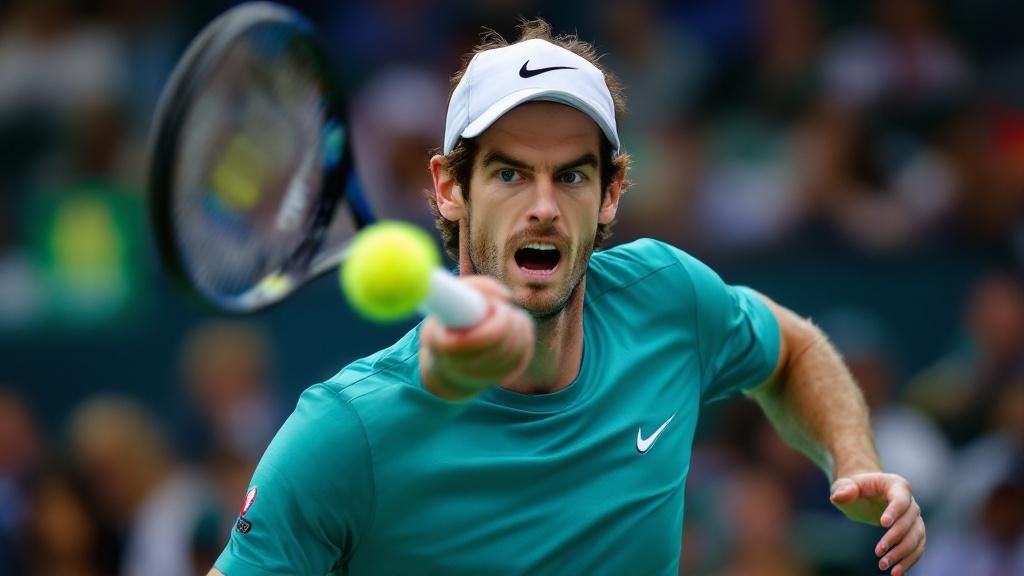
Andy Murray’s strategically designed comeback to professional tennis has disrupted the British sports landscape, signalling a possible resurgence for the nation’s most successful player. Following his serious hip operation, Murray’s measured reintroduction to competition promises to reconfigure the landscape of British tennis, inspiring a younger cohort whilst reviving hopes of more Grand Slam triumphs. This article investigates how his careful strategy to tournament competition is shaping developmental programmes, nurturing young players, and reinforcing Britain as a competitive powerhouse in world tennis.
The Comeback Champion
Andy Murray’s return to professional competition signifies considerably more than a individual accomplishment; it embodies grit and resolve that resonates throughout British sport. After undergoing a potentially career-ending hip surgery, many questioned whether the thrice Grand Slam victor would ever return to top-level competition. His determination to make a comeback, however, showcases resolute devotion to his craft and an indomitable spirit that has characterised his professional journey. The global sports community watches with genuine intrigue as Murray tackles this transformative period, demonstrating that neither age nor injury must shape an athlete’s direction or performance goals.
The significance of Murray’s calculated reentry go far past his personal results on court. His presence in professional tournaments reinvigorates British tennis, providing a concrete demonstration of determination to emerging athletes facing their own obstacles. Moreover, his resurgence tale provides crucial guidance in emotional resilience and athletic recuperation, creating new benchmarks for career longevity. As Murray plays again, he concurrently guides the next generation, building a bridge between recognised achievement and emerging talent that reinforces the entire British tennis ecosystem.
Influence on British Tennis Growth
Murray’s return to competitive play has generated substantial progress within British tennis infrastructure. His involvement in premier competitions elevates the tennis profile within the UK, generating greater funding in youth development programmes and practice venues. The ripple effects extend beyond top-level competition, inspiring local engagement and prompting national organisations to prioritise talent spotting and nurturing pathways for rising British competitors.
Mentorship and Direction
Beyond his courtside performances, Murray has taken on an growing significant mentoring role within the UK tennis sector. His willingness to share expertise acquired through performing at the highest level provides invaluable guidance to younger players charting their own career trajectories. This informal coaching influence complements formal structures, delivering useful knowledge into competition readiness, psychological strength, and handling career demands.
Murray’s openness to rising players marks a shift away from established pecking orders in professional athletics. By collaborating with gifted junior competitors, he demonstrates commitment to British tennis’s collective advancement. His coaching role goes further than technical coaching, including career planning, commercial arrangements, and mental approaches vital to sustaining long-term competitive success in international competition.
- Provides strategic guidance on tournament selection and scheduling
- Shares psychological strength methods developed throughout professional journey
- Facilitates introductions to coaching and advisory networks
- Demonstrates workplace excellence through reliable dedication
- Encourages equilibrium between ambition and individual health
Competitive Standing and Results
Murray’s return to competitive play has shown impressive durability, with his statistical indicators revealing a player determined to reclaim his position amongst tennis’s elite. Despite the inherent physical rigours of professional competition, his positional progression has steadily improved, reflecting both his technical proficiency and mental fortitude. His wins over proven rivals have reignited discussions about his ability to compete for major titles, whilst also delivering valuable data on his recovery progress and tournament fitness.
The strategic approach of Murray’s tournament selection has been crucial in managing his recovery whilst maintaining competitive edge. By thoughtfully juggling high-level competition with adequate recovery periods, he has optimised his competitive progression without undermining lasting viability. His results have energised British tennis enthusiasts and commentators alike, proving that prior injuries and advancing years need not diminish a player’s competitive ambitions or achievements at the highest echelons of professional sport.
Future Prospects and Legacy
Andy Murray’s strategic return to professional competition has significantly transformed understandings of what defines a successful tennis career. His careful strategy demonstrates that extended careers and focused competition can function alongside physical challenges, providing valuable lessons to aspiring athletes worldwide. The ripple effects of his resurgence transcend personal achievement; Murray’s presence on the circuit energises UK tennis development, attracting funding and press coverage formerly channelled in different directions. His effect on the next generation exemplifies how accumulated knowledge and perseverance surpass standard career patterns, establishing fresh standards for competitive determination.
Looking forward, Murray’s legacy will undoubtedly encompass more than tournament victories and ranking positions. His dedication to developing up-and-coming British competitors has built a lasting foundation for the next generation of competitors aiming for international success. By reconciling competitive goals with coaching duties, Murray has positioned himself as both playing member and steward of British tennis’s future. This combined position reinforces the nation’s competitive infrastructure whilst ensuring his considerable expertise benefits the sport well beyond his final competitive involvement, cementing his status as pivotal force within British sporting history.
